The Chanel Mini Turnlock Flap Bag 19cm in Parchemin Ostrich with Gold Hardware: A Complete Guide
- Get link
- X
- Other Apps
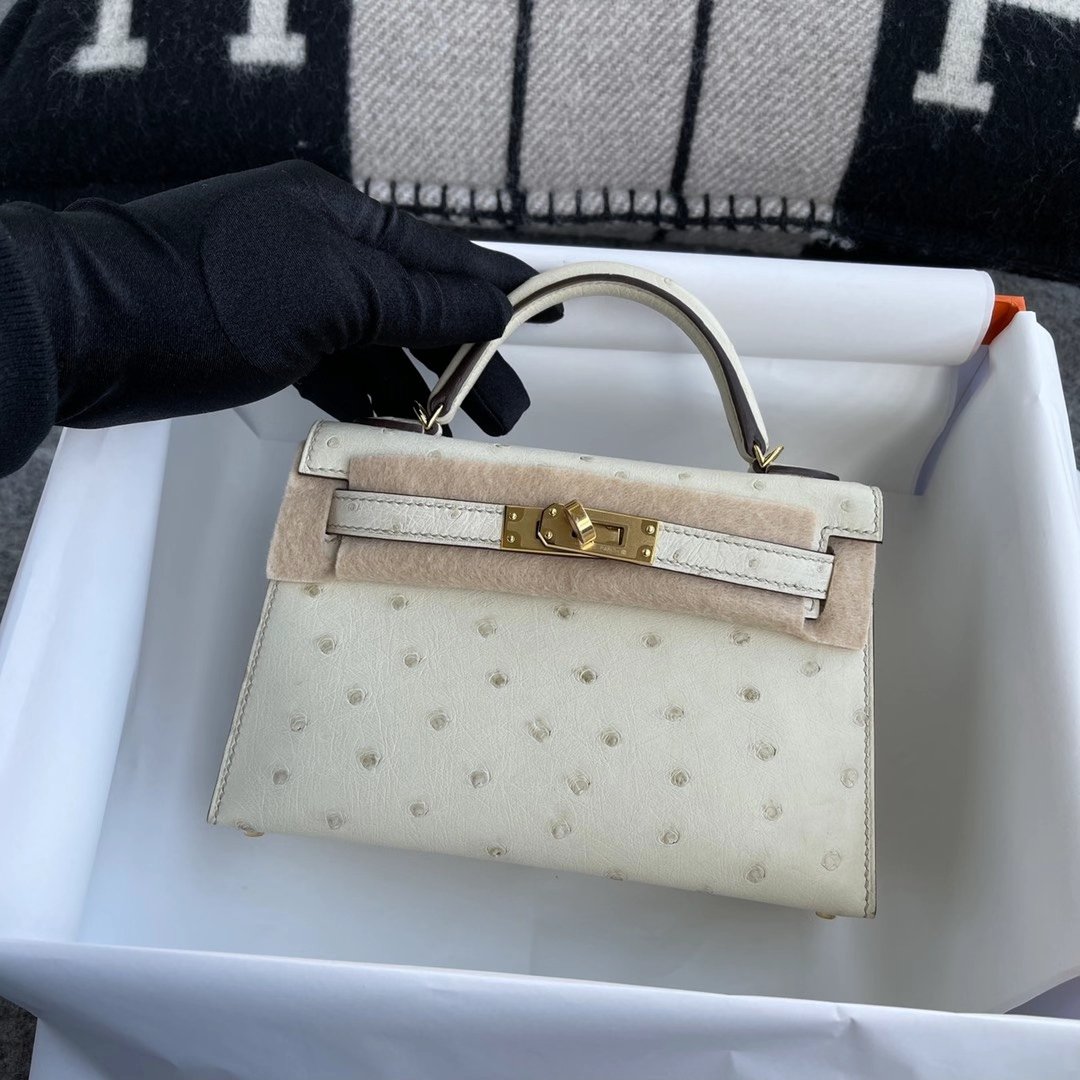
The Chanel Classic Flap has been reinterpreted in dozens of sizes, materials, and finishes since Karl Lagerfeld reimagined Coco Chanel's original 2.55 in the 1980s. Among the most exclusive of these reinterpretations is the Mini Turnlock Flap—a 19cm bag that distills the house's codes (the turn-lock, the quilting, the chain-and-leather strap) into their most concentrated form. This article examines a particularly rare and textural configuration: the Mini Turnlock Flap Bag in parchemin (parchment) ostrich leather with gold-tone hardware, covering its design, materials, construction, market position, and practical ownership considerations.
A note on naming: Chanel's mini flap family includes several distinct models—the Mini Rectangular Flap, the Mini Square Flap, the Mini Top Handle, and the Mini Turnlock Flap (sometimes listed as the "Mini Flap Bag with Turn-Lock" or "Mini Classic Flap"). This guide addresses the 19cm turnlock format specifically. "Parchemin" is a Chanel color name used for exotic skins; exact shade and naming vary by season, and buyers should confirm the specific year and color code.
1. The Format: Why 19cm Matters
The Mini Turnlock Flap measures approximately 19cm wide × 12cm tall × 6cm deep—smaller than the Mini Rectangular (20cm) and roughly comparable to the Mini Square, but distinguished by its closure and strap configuration. At this scale, the Classic Flap's architecture—the flap, the turn-lock, the gusseted sides, the chain—compresses into something almost diminutive.
Why the 19cm format appeals:
Proportion. The bag sits neatly in the hand or hangs at the hip. It is a true "mini" rather than a small handbag, and it reads as an accessory—a jewel-like object rather than a carryall. In exotic skin, the small format concentrates the material's beauty into a precious, almost ornamental object.
Versatility. The chain-and-leather strap can be worn crossbody, doubled over the shoulder, or carried by hand. In parchemin ostrich with gold hardware, the bag skews soft and warm—an elegant day-to-evening bag rather than a formal evening piece.
Scarcity. Chanel produces minis in smaller quantities than classic sizes, and exotic-skin minis in far smaller quantities still. Ostrich is among the rarer Chanel exotics—less common than alligator or python—and the combination of a mini format and an ostrich skin makes this one of the scarcest configurations in the Chanel lineup.
Price positioning. Exotic-skin minis sit at the top of the Mini Flap price hierarchy—substantially above calfskin or chèvre equivalents, and comparable to or above full-size classic leather bags.
The trade-off is capacity and durability: the 19cm holds a phone (a small one), a cardholder, keys, lipstick, and little else, and ostrich demands careful handling. This is not a work bag, and it is not a daily driver in the way a chèvre mini might be. It is a bag for considered use.
Turnlock vs. classic CC closure. The "turnlock" designation refers to the bag's closure—a turn-lock mechanism that engages the flap. Depending on the model year and exact specification, the turnlock may feature the classic interlocking CC logo or a more minimal rectangular plate. Buyers should confirm the exact closure style, as Chanel has varied it across seasons.
2. The Leather: Ostrich in Parchemin
Ostrich is one of Chanel's most distinctive and beloved exotic skins—a genuine ostrich hide, recognizable by its unique quill follicles (the empty pores left by feathers) that create a characteristic dotted pattern across the surface. It is among the most textural and recognizable exotic leathers in luxury goods.
Characteristics of ostrich:
Follicle pattern. Ostrich is defined by its quill follicles—small, raised pores distributed across the hide in a natural, irregular pattern. The follicles give the leather a distinctive, tactile surface and a visual texture unlike any other skin. The pattern varies across the hide, with larger follicles on the central body and smaller ones toward the edges.
Hand. Ostrich is soft and supple—more pliable than alligator or crocodile, closer in hand to a firm calfskin. It has a natural, slightly matte luster and a warm, organic feel. It is lighter than alligator.
Durability. Ostrich is durable and resistant to wear, though the follicles can lift or flatten with heavy use, and the leather can dry out over time. It is more forgiving than alligator in some ways (softer, less prone to scale lift) but requires conditioning to prevent drying.
Structure. Ostrich holds shape reasonably well—better than soft calfskins, less rigidly than alligator. On a mini flap, it maintains the bag's structure while adding texture.
Regulation. Ostrich is a CITES-regulated material (farmed ostrich is listed under CITES Appendix I/II depending on the population). International travel with ostrich goods may require CITES documentation, and some countries restrict or prohibit import. Buyers should understand the regulatory landscape before traveling with the bag.
Parchemin is Chanel's parchment—a soft, warm, creamy beige with subtle ivory and tan undertones. It reads as light beige in bright light and reveals warm, sandy tones in shade. In ostrich, parchemin has a soft, matte-to-satin finish that showcases the follicle pattern beautifully and makes the color read as natural and organic rather than flat.
The parchemin ostrich caveat: Light-colored exotic skins are demanding. Parchemin shows color transfer, ink, moisture spots, handling marks, and darkening at high-contact points far more readily than dark neutrals—and ostrich's porous follicle structure can absorb oils and moisture, making it particularly susceptible to spotting and discoloration. This is a bag for careful, considered wear—not a daily carry. Owners should plan for professional maintenance and accept that some patina and darkening are inevitable.
Color variability: Seasonal light neutrals vary year to year. "Parchemin" in one season may differ subtly from another; buyers should confirm the specific year and color code and view the bag in natural light where possible.
3. Hardware: Gold-Tone
Chanel offers hardware primarily in gold-tone, silver-tone (often described as ruthenium or palladium-finish depending on the season), and occasionally matte black or aged gold. Gold-tone is the warm, traditional option—and on a warm light neutral, it is a particularly harmonious pairing.
Considerations for gold hardware:
Tone. Gold hardware on parchemin creates a warm, tonal palette. The gold warms the creamy beige and gives the bag a classic, slightly vintage-inflected character—more "heritage" than "modern." Silver hardware would cool the palette and create contrast; gold leans into the color's warmth and produces a more unified, luxurious look.
Durability. Chanel's gold-tone hardware is gold-plated and generally durable, though plating can show fine scratches and, over many years, slight fading at high-contact points (the turn-lock, the chain). This is normal and generally accepted.
Market preference. In the resale market, gold hardware typically commands a slight premium on warm neutrals, where it is often considered the more harmonious pairing. Buyers seeking warm, classic looks frequently prefer gold.
Hardware suite. The Mini Turnlock Flap features the turn-lock closure, the chain-and-leather strap (interwoven leather through metal chain), and interior hardware (zip pull, grommets). All are finished in matching gold. On exotic-skin bags, the leather interwoven through the chain is typically the same exotic skin—a detail that adds to the bag's cost and rarity.
4. Design and Construction
The Mini Turnlock Flap is a study in Chanel's design language, compressed.
Silhouette. A rectangular flap bag with a slightly rounded top edge, gusseted sides, and a flat base. The proportions are classic Chanel—the flap covers roughly two-thirds of the front.
Quilting. The bag features Chanel's signature diamond quilting (or, depending on the season, chevron or other patterns). On ostrich, quilting is executed with particular care—the follicles must be distributed evenly across the quilted panels, and the padding must be even across a textured, organic material. Quilting on exotic skins is a mark of craftsmanship.
Closure. The turn-lock engages a plate on the front flap. It is functional and secure—more so than a snap—but not a locking mechanism.
Strap. The chain-and-leather strap is adjustable in some models and fixed in others. It can be worn crossbody, doubled for shoulder carry, or tucked inside for hand carry. The exotic leather interwoven through the chain matches the bag's skin.
Interior. The interior is lined in matching leather or textile, depending on the model year, with card slots and a small slip pocket. There is no zip pocket in most minis. On light-colored exotic bags, the interior lining is often light as well—another surface that shows wear.
Base. The bag has a flat base without protective feet—a detail to note for owners who set bags down frequently. On an exotic bag, this is a particular consideration.
Construction. Chanel bags are machine-stitched with hand-finished details; the Mini Flap is not a fully hand-stitched bag, but on exotic skins the cutting, follicle alignment, quilting, and edge finishing require significant handwork and expertise.
A note on the turn-lock. The Mini Turnlock Flap's closure differs from the classic CC turn-lock found on full-size Classic Flaps. Depending on the season and model, the lock may feature the interlocking CC logo or a more minimal rectangular plate. The mechanism is a turn-lock—you rotate the lock to release the flap—and it is both secure and easy to operate one-handed.
5. The Aesthetic: Reading the Bag
Parchemin ostrich with gold hardware is one of the softest and most textural configurations in the Chanel lineup. The creamy exotic leather gives the small bag a warm, organic quality; the follicle pattern adds a tactile, almost artisanal depth; the gold hardware warms the palette and signals the house's heritage.
It is a bag that reads as elegant and refined without being flashy—a warm, textured neutral for someone who values materials over logos. It pairs naturally with cream, white, ivory, camel, tan, brown, olive, and denim; it can also work with black for high contrast. It is appropriate across seasons and for most occasions short of black tie—though the delicacy of the material makes it an occasion-adjacent bag rather than a rough-and-tumble daily carry.
Styling notes: Parchemin ostrich works well in spring and summer, with light tailoring, linen, white denim, and resort wear, and in autumn paired with camel, brown, and olive. Gold jewelry and warm metals harmonize; silver can create a cooler contrast. The texture of ostrich reads as understated and organic—less "showy" than shiny alligator, and more versatile for it.
6. Market Position and Pricing
Retail pricing for Chanel exotic-skin minis is substantially higher than calfskin or chèvre equivalents—exotic bags sit at the top of the Mini Flap hierarchy. As a reference point, exotic-skin minis have retailed well above $10,000 USD in recent years, depending on skin, size, and market—though Chanel's aggressive price increases mean figures date quickly. Ostrich is typically priced below alligator but above calfskin. Exact pricing should be confirmed with the boutique or a reputable reseller.
Resale dynamics: Exotic-skin Chanel bags occupy a specialized niche in the secondary market. They are rarer than calfskin bags and appeal to a narrower but enthusiastic buyer pool. Ostrich has a devoted following—collectors prize its texture and relative durability among exotics. Popular configurations, particularly classic colors, can hold value reasonably well, though liquidity is lower than for calfskin classics. Parchemin ostrich is a niche-within-a-niche: beautiful and scarce, but demanding a buyer who specifically wants a light ostrich mini. Condition is paramount—ostrich shows wear and spotting, and light colors show everything. Buyers should expect a narrower market and price accordingly.
Regulatory considerations: Ostrich is CITES-regulated. Resale across international borders requires documentation, and some buyers avoid exotic skins for ethical or regulatory reasons. This affects the buyer pool and liquidity.
Availability: Chanel exotic-skin bags are not sold online and are allocated to select boutiques in very limited quantities. They are often made to order or reserved for established clients. The Mini Flap in ostrich is among the hardest Chanel bags to secure.
7. Care and Ownership
Ostrich care. Ostrich is softer and more porous than alligator. Keep the bag away from water, hand creams, oils, and prolonged sunlight. The follicles can absorb moisture and oils and are prone to spotting. Wipe with a soft, dry cloth; never use harsh chemicals or silicone-based products. A neutral exotic-leather conditioner can be used sparingly to prevent drying—consult a professional. Professional exotic-skin care is recommended.
Parchemin care. Light-colored exotic skins show color transfer, ink, and handling marks. Keep the bag away from denim, dark clothing, newsprint, and ink. Store in the dust bag, away from light.
Hardware. Wipe the turn-lock and chain with a dry microfiber cloth. Fine scratches are normal; heavy plating wear affects value.
Shape. Store stuffed with tissue in the dust bag. The chain can leave indentations on the leather if pressed against it—store the chain inside the bag or wrapped in tissue. Ostrich holds shape reasonably well but can flatten at the follicles with heavy compression.
Humidity and temperature. Exotic skins are sensitive to extreme humidity and temperature. Store in a cool, dry place; avoid bathrooms, attics, and direct sunlight.
Travel. Carry CITES documentation when traveling internationally. Some countries restrict or prohibit import of exotic-skin goods.
Spa services. Chanel offers cleaning and repair through its after-sales service, but exotic-skin restoration is specialized and limited; light-colored ostrich is particularly difficult to restore.
8. For the Buyer: What to Look For
When evaluating a Mini Turnlock Flap in parchemin ostrich:
Follicle condition. Check for flattened, lifted, or missing follicles—particularly at edges, corners, and the flap. Follicle damage is difficult and expensive to repair.
Finish consistency. The surface should be even, with no shiny patches, spots, or discoloration. Ostrich is prone to moisture spotting; examine in natural light.
Color consistency. Check that the parchemin tone is even and that the flap matches the body—light exotics can yellow or darken unevenly with sun and handling.
Quilting. Quilting should be even and puffy, with follicles distributed evenly across the panels. Deflated quilting indicates wear or poor storage.
Turn-lock function. The lock should engage firmly and release cleanly. Check for plating wear.
Chain and strap. Check for leather wear at the strap grommets and chain links. The exotic leather interwoven through the chain should be intact.
Interior. Look for ink stains, card slot stretching, and lining damage—light linings show everything.
Stitching and edges. Even stitching, intact edge paint.
Authenticity and CITES documentation. Hologram sticker or microchip (depending on year—Chanel transitioned to microchips in 2021), authenticity card, date code, and hardware engraving should be verified. Exotic bags should also come with CITES documentation; its absence is a red flag. The Mini Flap is heavily counterfeited, and exotic skins are counterfeited too—authentication by a specialist is strongly advised.
Documentation. Box, dust bag, authenticity card or microchip, CITES papers, and receipt add value and aid authentication.
9. The Mini Flap in Context
The Mini Turnlock Flap occupies a specific place in the Chanel ecosystem: it is the smallest, most jewel-like expression of the Classic Flap, positioned between the brand's entry-level accessories and its full-size handbags. In exotic skin, it becomes something else entirely—a precious object, closer to fine jewelry than to a handbag, and priced accordingly.
In parchemin ostrich with gold hardware, it is also one of the softest and most textural configurations: a creamy, organic, warm-toned object that reads as refined and material-focused. It is a bag for someone who has other bags for other purposes, and who wants this one for the pleasure of carrying it—and for the specific wardrobe moments (spring, summer, light tailoring, warm neutrals) where it shines.Speak with Customer Service
10. Conclusion
The Chanel Mini Turnlock Flap Bag in parchemin ostrich with gold hardware is a small-format, high-craft bag that combines one of the most distinctive and textural exotic skins in luxury leather goods with one of Chanel's warmest and most demanding light neutrals. It is not a daily driver, it is not an investment in the way a Birkin is, and it is not a bag for every wardrobe—but it is a bag that rewards careful ownership with rarity and beauty, and one that captures the essence of Chanel's exotic offerings in their most concentrated form.
For the first-time Chanel buyer, it is emphatically not the right entry point—parchemin ostrich demands experience, care, and a tolerance for the fragility of light exotics. For the seasoned collector, it is a precious, texture-forward addition that fills a specific wardrobe niche and delivers disproportionate joy. And for anyone who loves cream, organic texture, and the quiet pleasure of a well-made exotic small bag, it is simply a lovely object—which is, in the end, the point.
- Get link
- X
- Other Apps


Comments
Post a Comment