The Hermès Top-Handle Bag 30cm in Noir Chèvre with Jaune Ambre Interior and Gold Hardware: A Complete Guide
- Get link
- X
- Other Apps
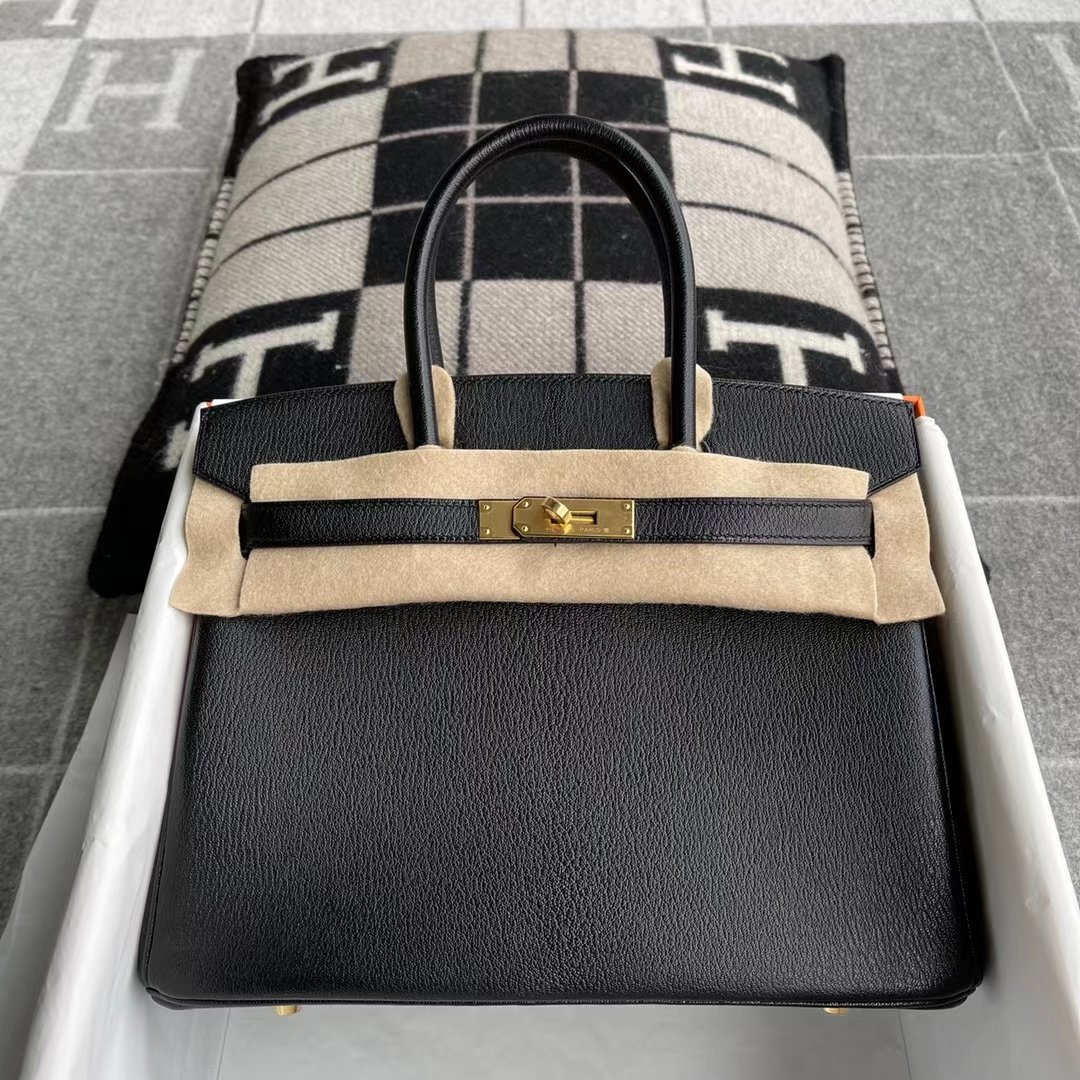
Hermès's Top-Handle Bag—often listed in resale simply as the "Top Handle" or by its French designation, Sac à Poignée—is one of the house's quieter contemporary designs: a mid-size, structured top-handle bag that draws on the architectural codes of the Kelly and the Birkin without reproducing either. This article examines a particularly striking and unusual configuration: the Top-Handle Bag 30cm in noir (black) chèvre leather with a jaune ambre (amber yellow) interior and gold-tone hardware, covering its design, materials, construction, market position, and practical ownership considerations.
A note on naming and provenance: Hermès has produced several top-handle designs over the years, and the "Top-Handle Bag 30cm" as described here refers to the larger top-handle flap bag in the house's contemporary lineup. Naming conventions vary by season and market, and similar designs have appeared under different names. The contrasting interior—a signature Hermès touch on select models—is a detail that varies by season and model year, and buyers should confirm the exact specification with the seller or boutique before purchasing.
1. The Format: Why 30cm Matters
The Top-Handle Bag 30cm measures approximately 30cm wide × 22cm tall × 13cm deep—a mid-size top-handle bag, larger than the 25cm format and comparable in footprint to a Birkin 30 but with a different architecture: a single top handle, a flap closure, and a more streamlined silhouette.
Why the 30cm format appeals:
Proportion. At 30cm, the bag reads as a proper day bag—substantial, practical, and architectural—without the bulk of a 35cm or larger tote. It sits comfortably in the hand or the crook of the arm.
Versatility. The top handle gives it a formal, ladylike character, while the larger size makes it genuinely usable for work, travel, and daily carry. In noir with a jaune ambre interior, the bag skews classic and understated on the outside, with a hidden burst of warmth inside—an exterior for the office, an interior for the owner.
Capacity. The 30cm holds a small laptop or tablet, a wallet, a phone, keys, sunglasses, a water bottle, and a light layer—meaningfully more than the 25cm, and enough for a full day out. This makes it a genuine alternative to a Birkin 30 for buyers who want a top-handle bag without the quota system.
Scarcity. The Top-Handle Bag is not produced in the volumes of the Evelyne or Picotin, and it is not a standard boutique staple in the way the Birkin is. Chèvre is also less commonly used for this model than Togo or Epsom, and contrast-lined interiors are produced in smaller numbers still—making this a genuinely scarce configuration.
Price positioning. As a non-quota model, the Top-Handle Bag sits below the Birkin and Kelly in price and is more accessible in practice, though exact retail figures vary by year and market.
The trade-off is weight and carry options: the 30cm is heavier than the 25cm, particularly when full, and the top-handle format typically does not offer a crossbody option unless a strap is included (some models include a detachable shoulder strap; buyers should confirm). It is a hand-carry or forearm-carry bag.
Closure and hardware. The bag features a flap closure—typically secured by a turn-lock or a similar mechanism—along with the top handle's attachment hardware. The exact closure varies by model year and should be confirmed.
2. The Leather: Chèvre in Noir
Chèvre is French for goatskin, and it is one of Hermès's most beloved and distinctive leathers—a supple, durable skin with a fine, irregular grain and a natural luster. It is distinct from Togo (pebbled, calfskin), Epsom (stamped, firm), Swift (smooth, soft), and Clemence (large grain, slouchy).
Characteristics of chèvre:
Grain. Chèvre has a fine, tight, slightly irregular grain—more visible than Swift's smooth surface, more subtle than Togo's pebbling. It has a soft, dry hand and a slight natural luster that catches light gently.
Durability. Chèvre is significantly more scratch-resistant and wear-resistant than Swift or Barenia, and it holds its shape well. It resists the corner wear and creasing that plague softer leathers, and it is lighter than Clemence or Togo.
Structure. Chèvre is supple but resilient—more structured than Swift or Clemence, less rigid than Epsom. On a top-handle bag, it maintains the silhouette well while retaining a slight softness. It is an excellent choice for a bag that needs to look polished but feel refined.
Patina. Chèvre develops a subtle patina with use—a slight deepening of tone and a softening of the grain. It ages gracefully.
Response to moisture. Chèvre is reasonably water-resistant but not waterproof. Light rain is manageable; heavy exposure should be avoided.
Noir is Hermès's black—a deep, saturated, true black that does not read as charcoal or blue-black. In chèvre, noir has a matte-to-satin luster that showcases the fine grain. Black chèvre is prized for its ability to hide wear, transfer, and the natural creasing that develops with use; it is arguably the most practical color in the Hermès palette, and the one that ages most gracefully.
Why chèvre matters here: Chèvre is less common than Togo or Epsom in the Hermès handbag lineup, and it is particularly well-suited to a structured top-handle bag: it holds shape, resists wear, and feels luxurious in hand. A noir chèvre Top-Handle Bag is a connoisseur's choice—less familiar than Togo, more refined in hand, and quietly distinctive.
3. The Interior: Jaune Ambre
The jaune ambre (amber yellow) interior is the defining and most distinctive feature of this configuration. Hermès occasionally produces bags with contrasting interior linings—a hidden detail that rewards the owner rather than the observer, and a hallmark of the house's playful approach to color.
Considerations for a contrasting interior:
The reveal. From the outside, the bag reads as a classic black top-handle—understated, neutral, and formal. Open it, and a warm amber-yellow lining delivers a jolt of golden color. This is a design gesture aimed squarely at the owner: a private pleasure, not a public statement.
Interior materials. Hermès interiors are typically lined in leather (often Chevre Mysore or a comparable lining leather) or textile, depending on the model. A leather-lined interior in jaune ambre is more durable and more luxurious than textile, and it makes the color contrast more pronounced. Chèvre lining is particularly common in Hermès bags and is prized for its durability.
Maintenance implications. Dark exteriors with bright interiors are a maintenance paradox: the exterior hides wear, but the bright interior will show ink stains, makeup marks, and wear clearly. Owners should use a felt organizer or pouch to protect the lining, particularly in a larger bag where more items are carried.
Collectibility. Contrast-lined bags are rarer than single-color bags and appeal to collectors who value hidden details and seasonal novelty. They can command a modest premium in the resale market, particularly when the color combination is striking or unusual—and black with amber yellow is both.
The jaune ambre caveat: Bright interior linings can transfer color onto light-colored contents (and vice versa) and will show wear clearly. They also narrow the buyer pool in resale terms—some buyers love the surprise, others prefer a tonal interior. Buyers should view the interior in natural light where possible.
4. Hardware: Gold-Tone
Hermès finishes its hardware primarily in gold-plated brass (GHW) and palladium-plated brass or steel (PHW). Gold is the warm, traditional option—and on noir with a warm interior, it is a particularly harmonious pairing.
Considerations for gold hardware:
Tone. Gold hardware on noir creates a warm, classic palette. The gold warms the black and echoes the jaune ambre interior—a subtle visual rhyme between the exterior hardware and the hidden lining. Silver hardware would cool the palette and create a different, more modern register; gold leans into the bag's warmth and heritage.
Durability. Gold-plated hardware is durable but can show fine scratches and, over many years, slight fading or "rubbing" at high-contact points (the closure, the handle rings). This is normal and generally accepted.
Market preference. In the resale market, gold hardware on black typically commands a premium over silver. Black with gold is the most classic, most liquid configuration in the Hermès lineup—the "forever" combination. On a contrast-lined bag, gold also harmonizes with warm interior tones.
Hardware suite. The Top-Handle Bag features the closure hardware, the top-handle attachment rings, and possibly base feet depending on the model year. All are finished in matching gold.
5. Design and Construction
The Top-Handle Bag is a study in Hermès's architectural design language—structured, functional, and refined.
Silhouette. A mid-size top-handle bag with a single arched handle, a flap closure, gusseted sides, and a structured base. The proportions are elegant and slightly formal—closer in spirit to the Kelly than to the Birkin.
The top handle. A single rolled or flat leather handle, sized for hand or forearm carry. Some models include a detachable shoulder strap; buyers should confirm. In chèvre, the handle is comfortable in the hand and will develop patina and slight darkening from hand oils—normal and often valued.
Closure. A flap closure, typically secured by a turn-lock or similar mechanism. The exact closure varies by model year.
Interior. The interior is lined in jaune ambre chèvre or textile, with slip pockets and possibly a zip pocket. Exact configuration varies. On contrast-lined bags, the interior color is a deliberate design element—check that it is even and intact, with no fading or transfer. A 30cm bag typically offers more interior organization than the 25cm.
Base. Depending on the model year, the bag may have protective feet or a plain leather base. On a larger, heavier bag, feet are a practical asset.
Construction. Hermès bags are saddle-stitched at stress points and finished to the house's standards. The Top-Handle Bag is made in Hermès ateliers with Hermès materials and executed to a high standard, though it is not a fully hand-stitched icon like the Birkin. Chèvre requires particular skill in cutting and stitching—its fine grain shows needle marks and misalignment more readily than pebbled leathers.
A note on model variation: Top-handle designs have appeared in different configurations across seasons—varying handle types, closure mechanisms, strap inclusion, interior layouts, and lining colors. Contrast-lined interiors are seasonal and less commonly documented, and chèvre is a less common leather for this model. Buyers should confirm the exact specification of the bag they are considering, ideally with detailed photographs and, where possible, documentation.
6. The Aesthetic: Reading the Bag
Noir chèvre with a jaune ambre interior and gold hardware is a classic, warm, and quietly playful configuration. From the outside, the bag reads as a sleek black top-handle with warm gold hardware—understated, formal, and timeless. Open it, and the amber-yellow interior delivers a surprise: a burst of golden warmth that is joyful, modern, and entirely private.
It is a bag that reads as refined and deliberate without being loud—a neutral-forward choice with a hidden personality. It pairs naturally with everything: black, white, gray, navy, denim, camel, and color. It is appropriate in every season and for most occasions short of black tie, and it does not require wardrobe coordination in the way light-colored bags do.
Styling notes: Noir chèvre works across seasons and contexts—work, evening, travel. It is a natural companion to tailoring, knitwear, denim, and evening wear. Gold jewelry and warm metals harmonize with both the hardware and the interior; silver can create a cooler contrast. The jaune ambre interior can be echoed with a warm accessory—a scarf, a cardholder, a twilly—for a subtle coordinated touch.
7. Market Position and Pricing
Retail pricing for the Top-Handle Bag varies by year and market, and the model is not consistently available in boutiques. As a non-quota model, it sits below the Birkin and Kelly in price and is comparable to other structured flap bags in the Hermès lineup. The 30cm size is typically priced above the 25cm, and chèvre and contrast-lined configurations may carry a modest premium. Exact figures should be confirmed with the boutique or a reputable reseller.
Resale dynamics: The Top-Handle Bag does not command the premiums of quota bags. On the secondary market, it typically trades at or somewhat below retail, with condition, color, and hardware affecting price. Noir is the most liquid and universally desired color in the Hermès palette—broadly appealing and easy to resell—and black bags hold value better than seasonal colors. Chèvre is less common than Togo or Epsom and appeals to collectors who value the leather's hand and durability. The jaune ambre interior and gold hardware add collectibility and can command a modest premium among collectors seeking unusual configurations. Buyers should not expect appreciation; this is a user bag.
Availability: The Top-Handle Bag is not a standard boutique staple and may not be available on the shelf. It appears periodically in collections and is more commonly encountered in the resale market. Chèvre and contrast-lined bags are typically allocated to select boutiques and produced in smaller numbers. Buyers seeking one should work with reputable resellers and authenticate carefully.
8. Care and Ownership
Chèvre care. Chèvre is durable but can dry out. Wipe with a soft, dry cloth; avoid harsh chemicals and silicone-based conditioners. A neutral leather conditioner can be used sparingly once or twice a year.
Noir care. Black chèvre is forgiving of color transfer but shows scuffs and smoothing at stress points. Handle with care; avoid sharp objects and rough surfaces.
Jaune Ambre interior care. Use a felt organizer or pouch to protect the lining from ink, makeup, and wear. Bright linings show marks clearly and can transfer color onto light contents. Check periodically for fading or transfer.
Hardware. Wipe the closure and handle rings with a dry microfiber cloth. Fine scratches are normal; heavy plating wear affects value.
Shape. Store stuffed with tissue in the dust bag. Chèvre holds shape well; proper storage helps maintain the silhouette. The handle can develop a patina and darkening from hand oils—normal and often valued.
Weight and strain. A full 30cm bag is heavy; avoid overloading it, and check the handle attachments periodically for strain.
Spa services. Hermès offers cleaning and repair through its spa; turnaround varies.
9. For the Buyer: What to Look For
When evaluating a Top-Handle Bag in noir chèvre with a jaune ambre interior and gold hardware:
Leather condition. Check for scuffs, corner wear, and creasing at the flap. Chèvre hides wear well, but shine and smoothing at stress points indicate heavy use.
Color consistency. Check that the black is even across the bag and that the flap matches the body. Black can fade to charcoal with heavy sun exposure.
Interior condition. Check the jaune ambre lining for ink stains, makeup marks, fading, and transfer. Bright linings show wear clearly; a stained interior significantly affects value.
Closure function. The closure should engage firmly and release cleanly. Check for hardware wear.
Handle and rings. Check for leather wear, darkening, and hardware wear at the handle attachment points. Handle patina is normal; cracking or stretching is not—particularly important on a heavier bag.
Base and feet. Check for corner wear and foot stability. A 30cm bag is more likely to be set down frequently.
Stitching and edges. Even stitching, intact edge paint—repainted edges indicate a spa treatment, which is acceptable but should be disclosed.
Authenticity markers. Blind stamp, date stamp, and hardware engraving should be verified. The Top-Handle Bag is less commonly counterfeited than the Birkin, but authentication is still essential—particularly for a model that is rare and less familiar to authenticators. Contrast-lined interiors are a detail counterfeiters often get wrong.
Documentation. Dust bag, box, and any spa records add value and aid authentication. Confirm the jaune ambre interior is original to the model—Hermès does not typically customize interiors after production, so a non-original lining is a red flag.
10. The Top-Handle Bag in Context
The Top-Handle Bag occupies a specific and modest place in the Hermès ecosystem: it is a non-quota, non-icon bag designed for use rather than status. It is not the bag that gets photographed at auction, nor the one that requires purchase history. It is the bag that gets carried—to work, to lunch, to travel, to dinner—and that reveals its quality through materials and construction rather than through recognition.
In noir chèvre with a jaune ambre interior and gold hardware, it is also one of the warmest and most playful configurations: a sleek, classic, hidden-color object that reads as refined on the outside and joyful on the inside. It is a bag for someone who already owns the icons, who values subtlety and hidden details over hype, and who wants a Hermès that does not look like everyone else's Hermès—and that delivers a private burst of warmth the standard palette cannot.
11. Conclusion
The Hermès Top-Handle Bag 30cm in noir chèvre with a jaune ambre interior and gold hardware is a mid-size, structured, high-craft bag that combines one of Hermès's most refined and durable leathers with the house's most classic color, a warm and playful contrasting interior, and a traditional gold hardware finish. It is not a Birkin, and it is not an investment in the way the house's icons are—but it is a bag that rewards daily use with longevity and patina, and one that offers a distinctive, personal alternative to the standard configurations.
For the first-time Hermès buyer, it is an accessible and practical entry point—provided the buyer understands that the Top-Handle Bag is a niche model with limited liquidity, and that contrast-lined bags appeal to a narrower buyer pool in resale. For the seasoned collector, it is a warm, chèvre-forward, contrast-lined addition that fills a specific wardrobe niche and delivers the quiet pleasure of a well-made bag with a hidden secret. And for anyone who loves black, chèvre, hidden color, and the quiet pleasure of a well-made bag, it is simply a lovely object—which is, in the end, the point.
- Get link
- X
- Other Apps


Comments
Post a Comment